

Writen by
admin
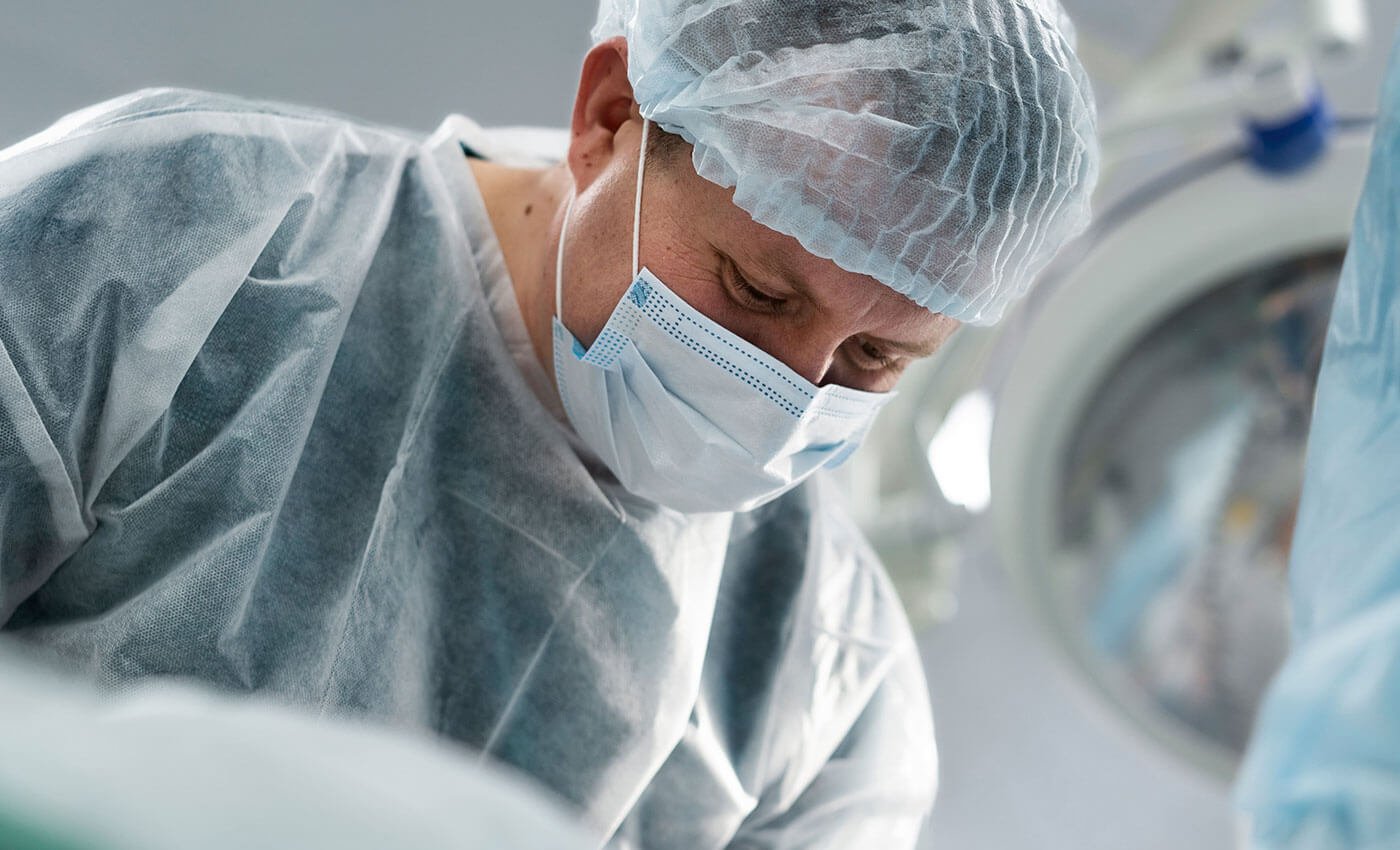
Pain management plays a crucial role in post-surgical recovery. Doctors may prescribe pain relievers or recommend alternative therapies like cold compresses, relaxation techniques, and gentle movements to reduce discomfort.
Recovery after surgery begins the moment the procedure ends. Patients are closely monitored in recovery rooms where vital signs, pain levels, and wound conditions are assessed. Doctors and nurses ensure that anesthesia wears off safely and the body stabilizes. Following this initial phase, patients receive detailed instructions about wound care.
Post-Surgery Care and Recovery Steps
Long-term recovery requires attention to nutrition, follow-up care, and lifestyle adjustments. A balanced diet rich in protein, vitamins, and fluids strengthens the body’s healing capacity. Regular checkups allow doctors to monitor progress and make necessary adjustments in treatment. Patients are also advised to avoid smoking, manage stress, and gradually increase activity levels. Emotional well-being plays a role too—support from family and friends eases the recovery journey. By committing to these steps, patients can achieve complete recovery and reduce risks of post-surgery complications.
Successful recovery after surgery requires more than rest—it demands careful wound care, proper nutrition, and guided activity, ensuring patients heal safely, regain strength, and return to daily life confidently.
citation


A Patient’s Guide to Anesthesia and Recovery
These activities are carefully tailored to each patient’s condition and type of surgery. Progress may feel slow, but consistent movement boosts circulation, enhances lung function, and supports faster recovery.
